
Every AEG, every electric speedloader, every BLU-Link and BLINC FCU, every tracer unit, every red dot sight needs power. For AEGs specifically, the battery is the second-most-important spec after the rifle itself — undersized and the rate of fire drops, oversized and you risk gearbox damage, wrong connector and it doesn't plug in at all. Getting this right matters.
The two mainstream chemistries split clearly. LiPo (Lithium Polymer) is the modern standard — higher discharge rate, more power per gram, the chemistry that lets a stock AEG run faster than its mechanical limits without bogging down. The trade-off is care — LiPos need a smart charger, can't be deep-discharged, and require occasional balance charges. NiMH (Nickel Metal Hydride) is the older safe-default — gentler chemistry, more forgiving of poor charging habits, the right choice for new players who haven't yet learned battery care. Slower trigger response, more weight per joule of power stored, but far harder to damage.
Other batteries covers everything that isn't LiPo or NiMH — Li-Ion cells for specialist applications, batteries for tracer units, button cells for sights, and the AA/AAA loadouts for electronic accessories. Whichever chemistry you choose, you'll also need chargers matched to it (LiPo balance chargers don't work for NiMH and vice versa) and the right cables and connectors for your rifle's wiring.
82 products
-
Regular price £6.95Regular price Sale price £6.95Unit price per
-

 Sold outRegular price £10.95Regular price Sale price £10.95Unit price per
 -
 Sold outRegular price £49.95Regular price Sale price £49.95Unit price per
 -
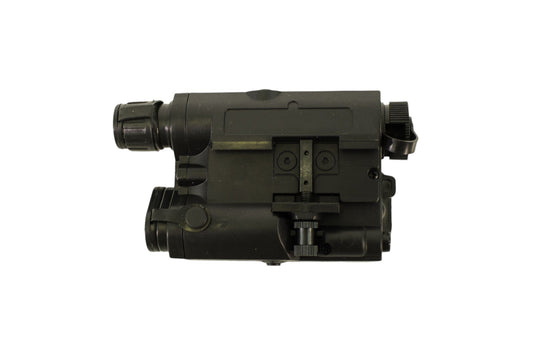
Valken Energy LiPo HPA 7.4v 250mAh 25C Battery PEQ
Regular price £10.95Regular price Sale price £10.95Unit price per -
 Sold outRegular price £2.95Regular price Sale price £2.95Unit price per
 -
Nuprol - LiPo Battery 1300mAh 11.1v 20c (PEQ|Small Tamiya)
Regular price £21.95Regular price Sale price £21.95Unit price per -
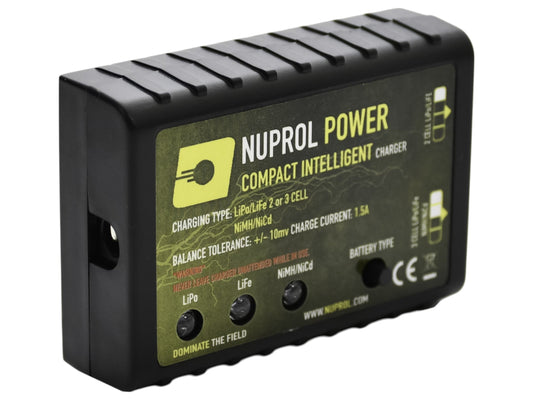
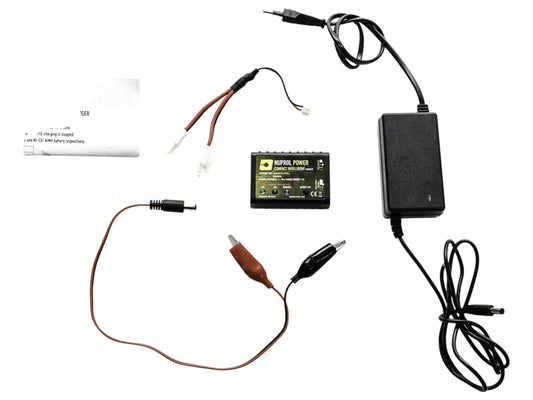
Nuprol NiMH/LiPo/LiFe Compact Smart Balance Charger
Regular price £29.95Regular price Sale price £29.95Unit price per -

 Sold out
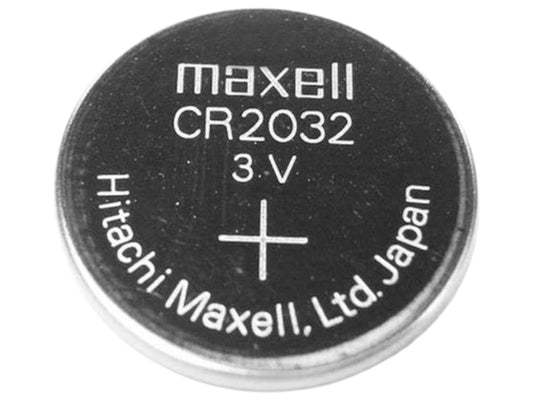
Maxell CR2032 Coin Cell Battery
Regular price £1.50Regular price Sale price £1.50Unit price per -
Nuprol LiPo Battery 1300mAh 7.4v 20C Stick (Deans)
Regular price £15.95Regular price Sale price £15.95Unit price per -
Nuprol LiPo Battery 1300mAh 11.1v 20C Stick (Deans)
Regular price £21.95Regular price Sale price £21.95Unit price per -
Vanguard Speedloader Battery 11.1V 2200mAh
Regular price £29.95Regular price Sale price £29.95Unit price per -
Big Foot Heat Lipo Battery 1450mAh 11.1v 25c Stick (3 Way Split - DEANS)
Regular price £21.95Regular price Sale price £21.95Unit price per -
Oper8 7.4v Lipo Cranestock 1500MAH Deans
Regular price £18.95Regular price Sale price £18.95Unit price per -
Oper8 7.4v Lipo Cranestock 1500MAH Tamiya
Regular price £18.95Regular price Sale price £18.95Unit price per -
VapexTech 11.1V 1000mAh 20C/40C LiPo Block Battery - Deans
Regular price £16.95Regular price Sale price £16.95Unit price per -
VapexTech 7.4V 1300mAh 25C/50C LiPo Block Battery (101mm long)
Regular price £13.95Regular price Sale price £13.95Unit price per -
VapexTech 7.4V 1300mAh 25C/50C LiPo Block Battery (101mm long) - Deans
Regular price £13.95Regular price Sale price £13.95Unit price per -
 Sold outRegular price £6.49Regular price Sale price £6.49Unit price per
 -
Nuprol LI-ION/LiPO Balance Charger
Regular price £24.95Regular price Sale price £24.95Unit price per -
Regular price £39.95Regular price Sale price £39.95Unit price per
-
 Sold outRegular price £1.95Regular price Sale price £1.95Unit price per
 -
Duracell DL1620 CR1620 Lithium Coin Cell Battery
Regular price £3.45Regular price Sale price £3.45Unit price per -
 Sold outRegular price £1.95Regular price Sale price £1.95Unit price per
 -
GP A76 LR44 Button Cell Battery
Regular price £0.95Regular price Sale price £0.95Unit price per





24 products