


Nuprol Killflash
Nuprol Killflash
In stock
Notify Me About This Product
Couldn't load pickup availability
DETAILS
DETAILS
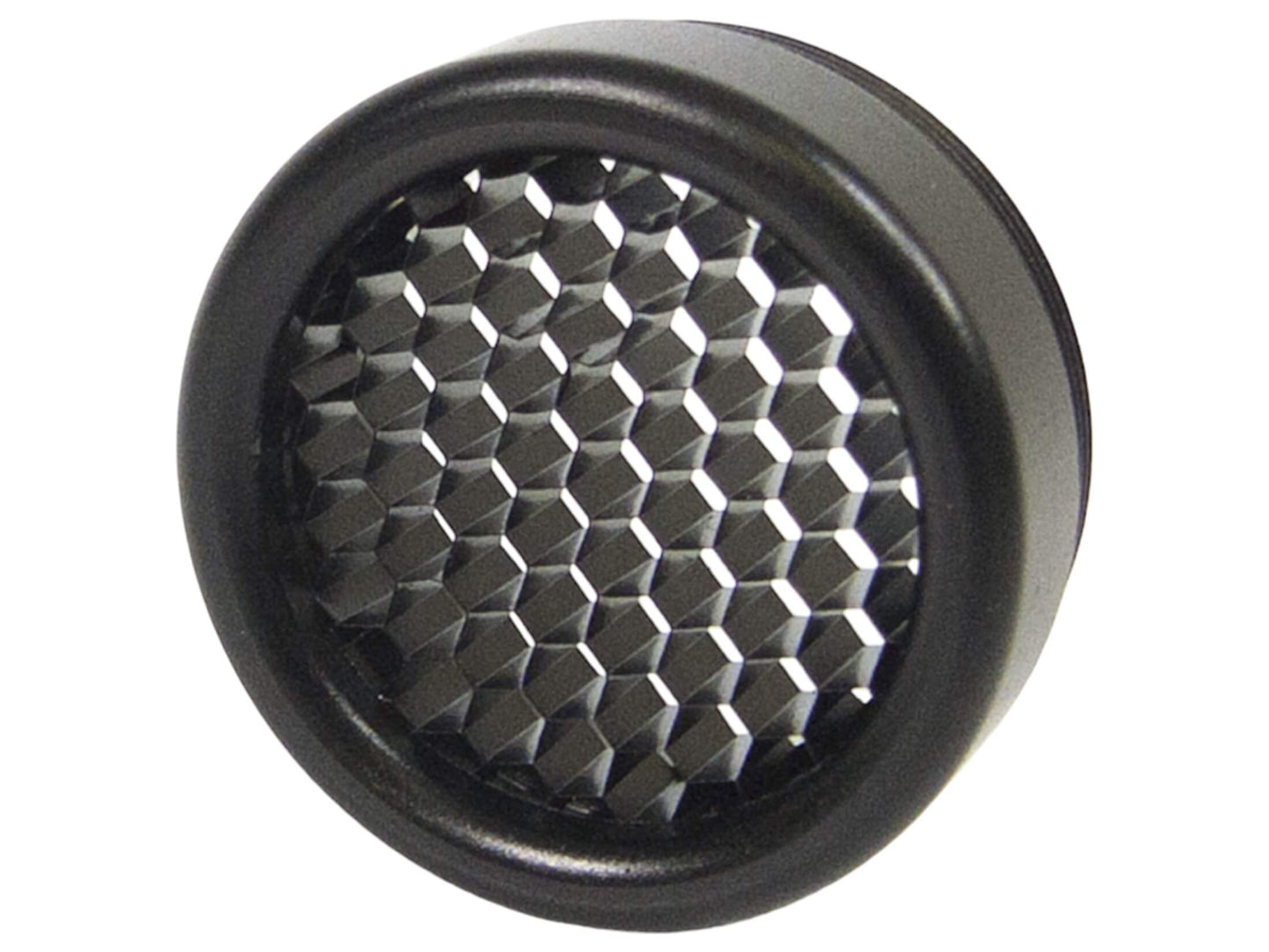
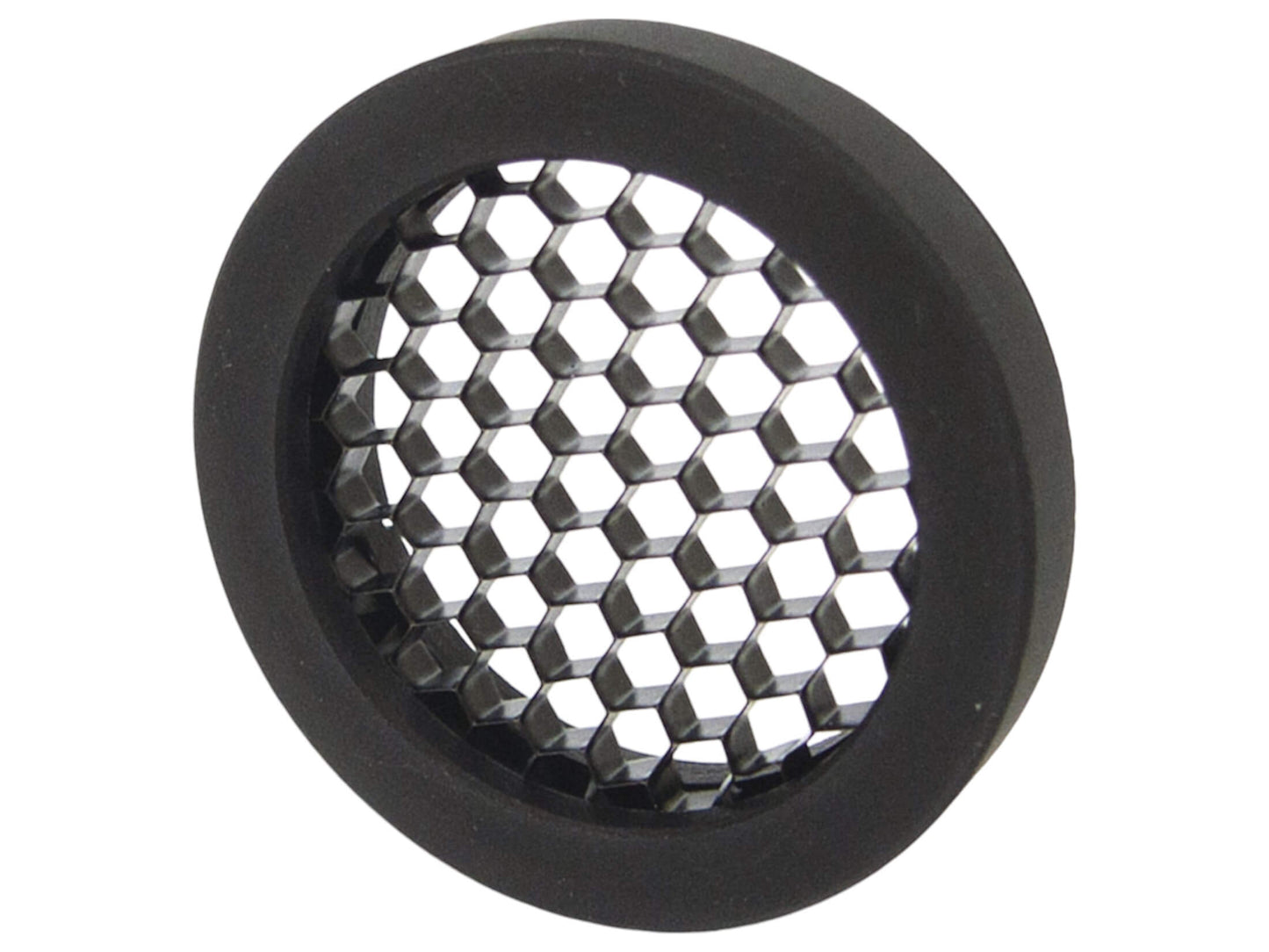
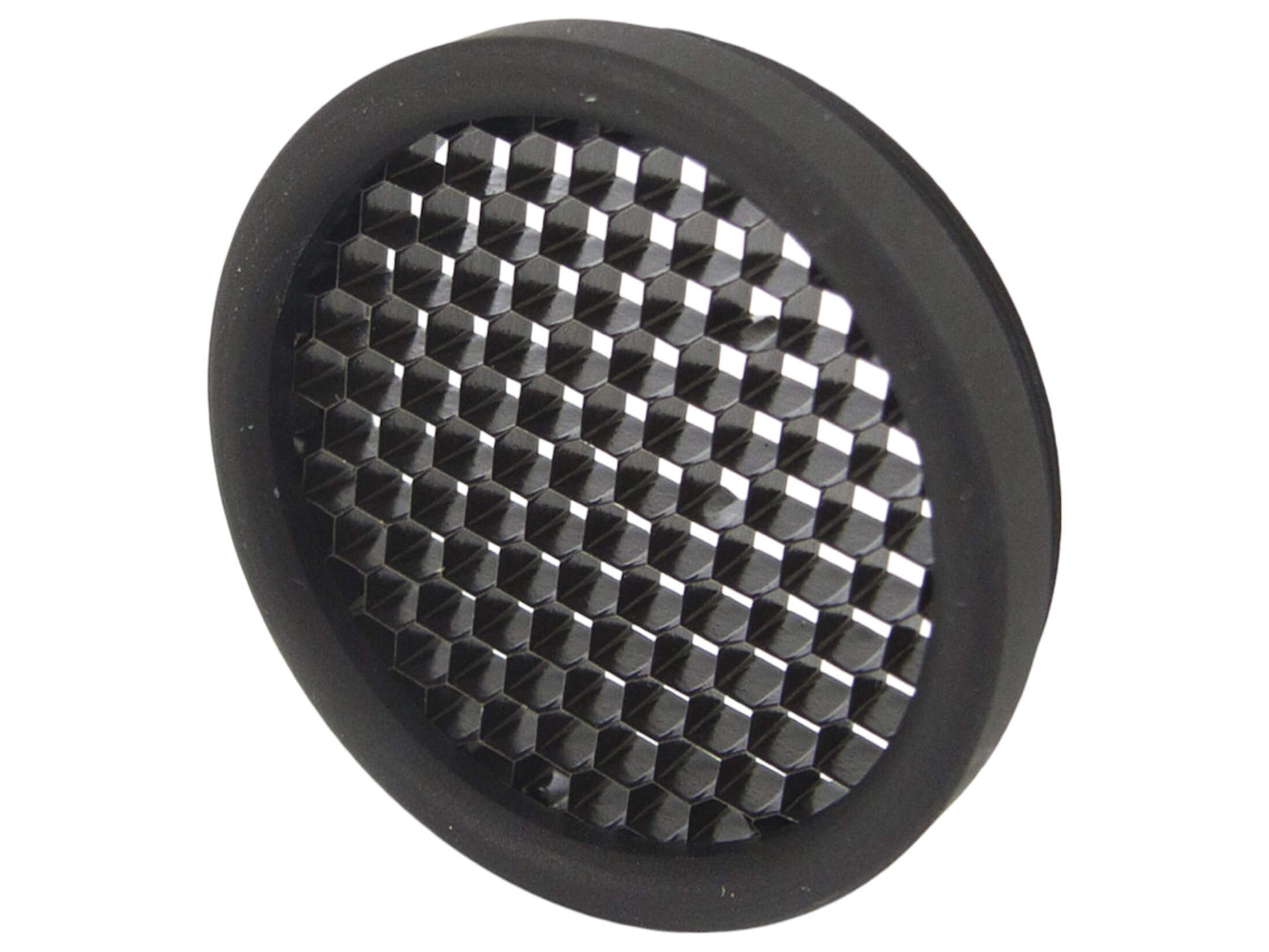
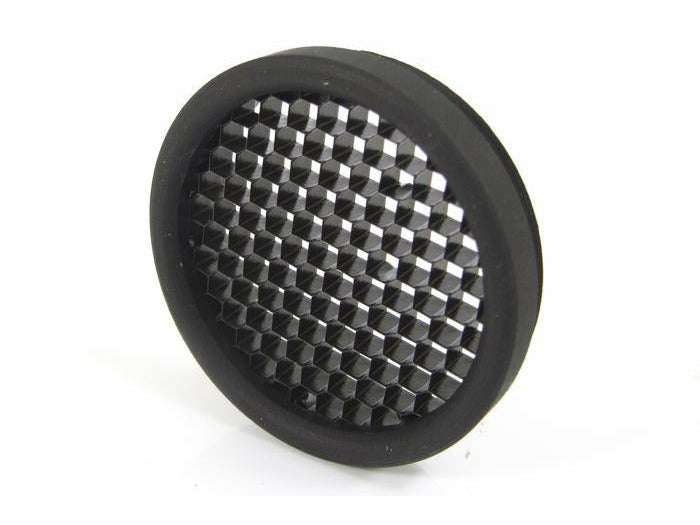
- description
A killflash does two jobs and most people buy it for the wrong one first. The obvious job is armour: a grid of aluminium cells in front of the glass means a close-range hit dents the grid rather than cracking a lens, and on most optics the lens is the part that cannot be replaced.
The job that wins games is the other one. Clean glass pointing down range reflects a bright disc of sunlight that is visible long before you are, and a static position with an unshielded optic is a position that gets found. Honeycomb breaks that reflection into a grid that does not carry, which is where the name comes from.
Sizing is simple and unforgiving: the number is the diameter of the objective lens it threads onto. Measure the front glass on your sight, match the figure, and it screws on by hand with nothing to adjust afterwards. One step out and it will either not thread or will not stay.
Specifications
| Specification | Detail |
|---|---|
| Type | Killflash, honeycomb mesh |
| Sizes | 26, 32, 40 and 50 mm |
| Fits | An objective lens of the matching diameter |
| Fitting | Screws onto the objective, no tools |
| Supplied as | Single killflash per size |
| Effect on zero | None — it sits ahead of the glass |
| Material | Not stated by the manufacturer at time of writing |
| Finish | Not stated by the manufacturer at time of writing |
| Manufacturer | Nuprol |
Which size do I need?
Match the figure to the objective diameter on your sight. The two middle sizes cover most of what gets run on an airsoft rifle — 32 mm is the front glass on every 4x32 optic, and 40 mm is what a 3-9x40 variable scope takes.
| Size | Fits | Typical use | Nuprol code |
|---|---|---|---|
| 26 mm | 26 mm objective | Compact red dot sights | NAC-10-01 |
| 32 mm | 32 mm objective | Every 4x32 scope, and larger dots | NAC-10-02 |
| 40 mm | 40 mm objective | 3-9x40 and similar variable scopes | NAC-10-03 |
| 50 mm | 50 mm objective | Long scopes with a wide front bell | NAC-10-04 |
Good to know before you buy
Measure the glass, not the body. The figure is the objective diameter. If your sight came with a slip-on lens cover, that cover is usually marked with the size.
Light loss scales with the size. Mesh removes a proportion of the aperture, so you notice it least on a lit red dot and most on a wide objective at high magnification under tree cover. Some players fit it for open ground and carry it otherwise.
Indoor games are where it pays for itself. Close-quarters hits land square on the front of an optic far more often than woodland hits do, and that is the hit that ends a sight.
Mesh and a sunshade are different tools. Mesh stops a BB and kills glint at the cost of some light. A 32 mm sunshade extends the tube to block angled light and costs you nothing in brightness, and it is threaded at both ends so the 32 mm killflash screws onto the front of it.
Frequently asked questions
How do I work out which size I need?
Measure across the front lens of your sight. A 4x32 scope is 32 mm, a 3-9x40 is 40 mm, a compact dot is often 26 mm. If you are unsure, tell us which sight you have and we will check the figure for you.
Does it move my zero?
No. It threads onto the front of the objective and touches nothing inside the sight, so you can fit or remove it at any point.
How much does it dim the sight picture?
Enough to see side by side, rarely enough to matter in play. The mesh blocks part of the aperture, and that is the same thing which kills the glint — you cannot have one without the other.
Will it actually stop a BB?
That is what it is built for. The grid deforms and the glass behind it survives, which is the trade you want at the price.
What is it made from?
Nuprol do not publish a material or finish for these, and the only weight they list is for the smallest size. Ask us and we will look at one in the shop rather than describing it from a catalogue.